
Gold Is Temporary, Water Is Permanent: Why Gambela’s Rivers Must Be Protected
For generations, communities in Dimma Woreda and Abobo Woreda have practiced traditional gold mining methods that did not rely on harmful chemicals. These practices coexisted with agriculture, fishing, and livestock rearing, all of which depend directly on the Akobo and Alwero rivers. This balance between livelihoods, land, and water has sustained communities for decades.
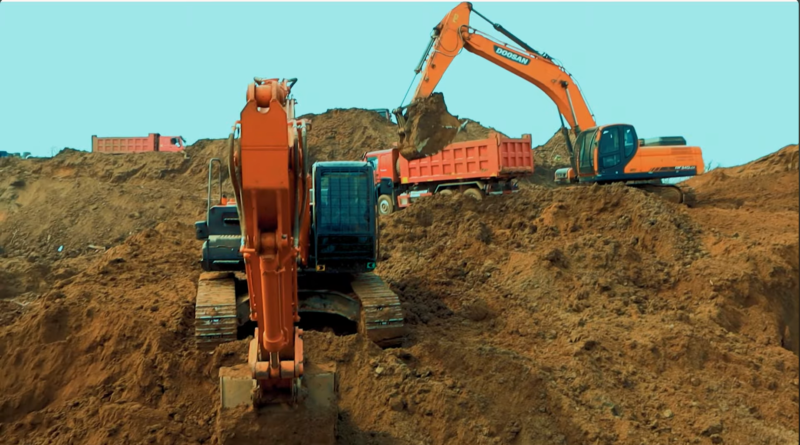
The entry of large-scale industrial mining companies fundamentally alters this fragile equilibrium. Unlike traditional mining, industrial operations often rely on hazardous chemicals such as mercury and cyanide and generate toxic waste through processes like acid mine drainage. If poorly regulated, these activities pose severe environmental and social risks. Water contamination threatens human health and livestock; farmland is degraded by soil compaction, tailings, and erosion; and river ecosystems collapse, eliminating fisheries and undermining food security. Once gold is exhausted, communities are often left with polluted water, unusable land, and long-term poverty rather than development.
The experience of other countries provides clear warnings. In Peru, unregulated gold mining polluted major rivers in the Amazon basin with mercury. Entire communities lost access to clean water and arable land, while severe health crises emerged. The cost of environmental cleanup has far exceeded the economic benefits gained from gold extraction, and recovery has taken decades, where recovery was possible at all. This lesson is unmistakable: once rivers are poisoned, the damage is often irreversible.
There are, however, examples of responsible governance. Botswana demonstrates that mining can coexist with livelihoods when the state enforces strict rules without compromise. Mining companies there are required to protect water sources, fund land restoration in advance, and return rehabilitated land for grazing and farming after mine closure. This approach recognizes that mineral wealth should not come at the expense of long-term land productivity and social stability.
Other countries have gone even further. Costa Rica chose prevention over short-term profit by banning open-pit gold mining altogether to safeguard rivers, agriculture, biodiversity, and tourism. This decision reflects a broader understanding that water and fertile land are more valuable to national prosperity than finite mineral extraction.
For Gambela, the choice is urgent and clear. If industrial mining is allowed to proceed, it must be governed by strong, enforceable safeguards. These include absolute protection of the Alwero and Akobo rivers through wide no-discharge buffer zones; a strict prohibition of mercury and cyanide near water sources; free, prior, and informed consent of local communities; environmental bonds paid before mining begins to guarantee cleanup and rehabilitation; independent monitoring with meaningful community participation; and clear post-mining land-use plans to restore agriculture.
If these measures are implemented with discipline, transparency, and accountability, Gambela’s land can remain productive and usable for farming, fishing, and livestock. If they are ignored or weakened, the region risks repeating the costly mistakes seen elsewhere, losing its rivers, its farmland, and its future.
Gold is temporary. Water and land are permanent. The policy decisions made today will determine whether Gambela remains a livable and farmable homeland for future generations, or a cautionary tale of preventable environmental destruction.