
Peace Without Justice Is an Illusion: Addressing the Structural Roots of Conflict in Gambela
Discussions of peace in Gambela that do not engage with the underlying causes of conflict risk consuming public resources without delivering sustainable outcomes. Peace initiatives focused primarily on immediate or surface-level symptoms, rather than structural drivers, are unlikely to achieve lasting stability.
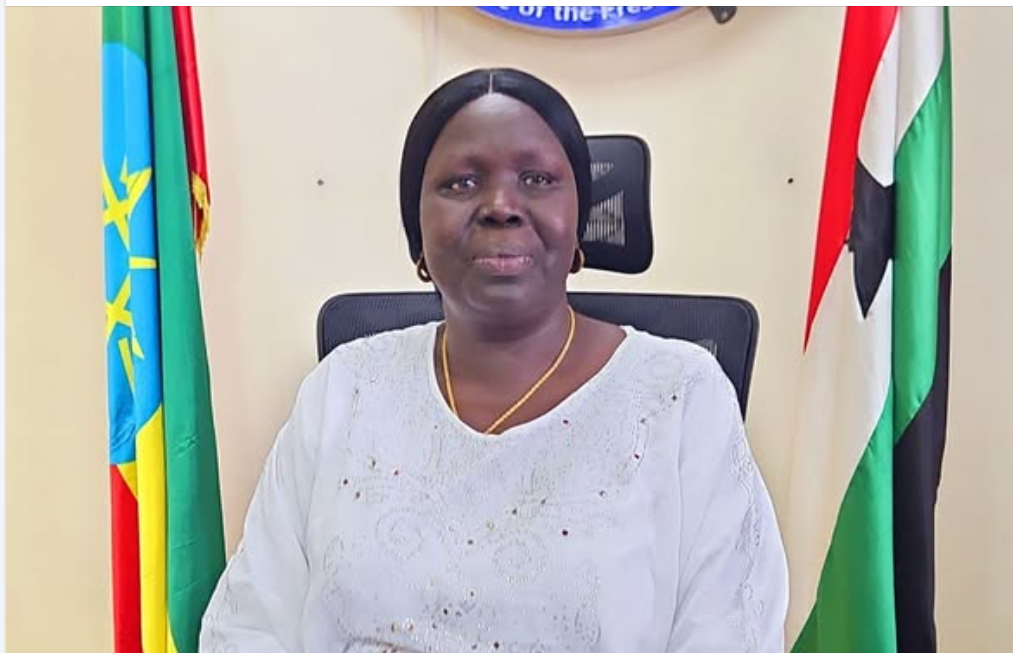
The transition from former regional president Omot Ojulu to President Alemitu Omot was undertaken on the basis that the previous administration had failed to establish effective governance or durable peace. While leadership change can play a role in reform, it raises an essential question: can peace be consolidated without simultaneously addressing the deeper factors that continue to generate conflict?
Persistent instability in the Gambela region is closely linked to the long-term hosting of large refugee populations, their incorporation into regional political and administrative structures without sufficient consultation with host communities, and ongoing disputes over land ownership and use. These dynamics have reshaped local governance arrangements and contributed to growing tensions between refugee populations and indigenous communities.
Focusing attention on isolated issues, such as road or vehicle-related incidents in Abol, risks oversimplifying the conflict. Such approaches may unintentionally divert attention from broader land and governance challenges that require comprehensive policy responses.
Itang Woreda has emerged as a particularly sensitive area within this context. Seventeen indigenous villages have reportedly been taken over, with continued pressure on remaining communities. These developments followed earlier administrative changes affecting historically recognized woredas such as Jikawo and Akobo, as well as the subsequent establishment of new administrative units, including Lare, Makuey, and Wentawo. Many local stakeholders perceive these changes as having altered governance and representation in ways that require careful review.
When indigenous communities raise concerns or seek protection of ancestral land, the perceived absence of timely and effective state response has further strained trust. Addressing these concerns transparently and through lawful mechanisms is essential to preventing escalation.
Without a comprehensive strategy that addresses land governance, refugee integration, and inclusive political participation, peace efforts in Gambela risk remaining declarative rather than transformative.