
When Land Is Lost, Life Is Broken: The Impact of Ancestral Land Loss on the Anywaa Community
When people lose the land they depend on, every part of their lives is affected. They lose food and income. They lose culture and identity. Their health suffers. Families and communities become divided. Even their safety and environment are harmed.
This has been the experience of the Anywaa community since 1984. Over the years, the Anywaa have lost much of their ancestral land. This has occurred due to migration, refugee settlements, and large government investment projects carried out without proper planning or meaningful consultation with the community.
When land decisions are made without involving the people who live there, serious consequences follow. Many Anywaa families have lost their farmland, grazing areas, forests, and rivers, lands that were essential for farming, herding, hunting, fishing, and gathering food. As a result, food security has declined. People who once grew their own food and accessed water freely now have to purchase them. Many have fallen into poverty and must rely on low-paid or temporary work.
Some young people have grown up without learning traditional farming and survival skills. Today, thousands of unemployed youth wander the streets of Gambela town day and night. Many are caught in substance abuse and crime, problems that were once rare in the Anywaa community.
For the Anywaa, land is not merely property. Their identity is deeply connected to specific places, sacred sites, landscapes, and rivers. When they are removed from these places, it breaks a profound spiritual and cultural bond. This separation disrupts the transmission of traditional knowledge, language, ceremonies, and essential skills—such as farming, fishing, and the use of medicinal plants tied to their homeland.
The forced loss of ancestral land has also caused serious psychological harm. For a community so closely tied to its land, dispossession brings deep emotional trauma. It has contributed to chronic stress, depression, substance abuse, and an increased risk of suicide. Tragically, many young people have taken their own lives.
The social and political consequences have also been severe. Traditional leadership systems, kinship networks, and customary conflict-resolution practices have weakened. Social tensions and family breakdown have increased. The community has become politically marginalized, with diminished power to defend its rights or influence decisions about land use and development.
As control over their land has been lost, forests and farmland have been logged, mined, or converted into large-scale agricultural projects. Wildlife habitats, water sources, and sacred sites have been damaged or destroyed.
In addition, the arrival of thousands of refugees and the growth of crowded settlements in the Gambela region have intensified competition for limited land and resources. This has fueled tensions and, at times, violence in the area.
Losing ancestral land is not merely an economic issue—it is a deep social, cultural, and spiritual loss. It undermines families’ ability to survive, severs their connection to sacred places, and weakens the knowledge and traditions that have sustained them for generations. Poverty, trauma, and social division are not accidental outcomes; they are direct consequences of land dispossession.
Recognizing this reality requires understanding that land is not simply a commodity to be bought and sold. For the Anywaa community, land is the foundation of identity, dignity, and self-determination. Any fair and lasting solution must protect secure land rights, ensure meaningful participation in decisions affecting their territory, and support the restoration of land and livelihoods where they have been taken away.
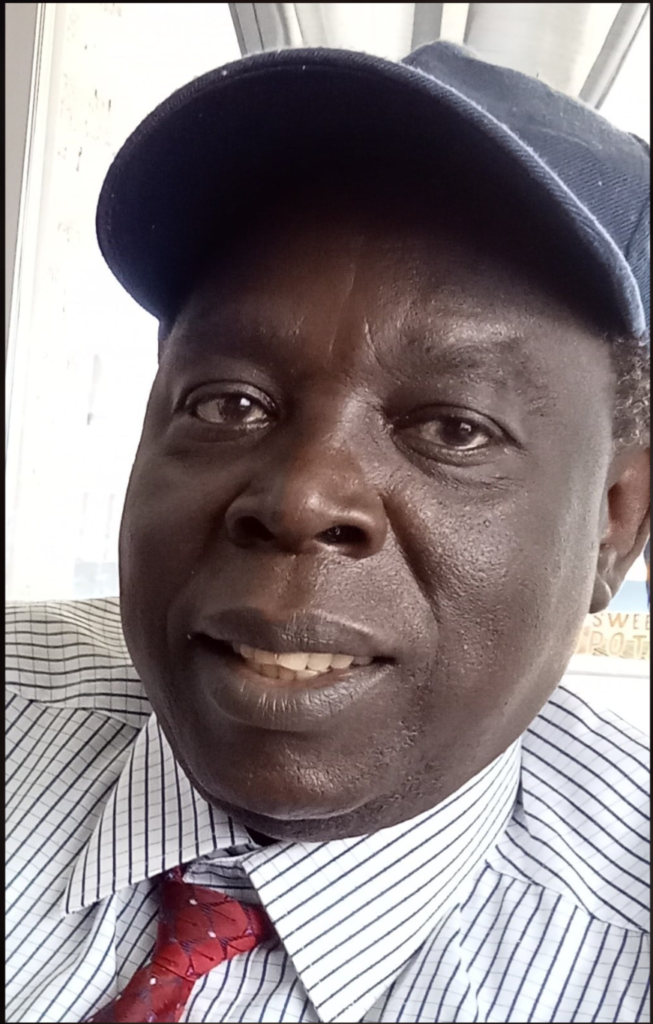
By Mr. Ojulu C. Odola