
Gambela has a long and complex history shaped by the Indigenous Anywaa (Anuak) people, the Openo (Baro) River, early settlement patterns, and later colonial and political changes. This section brings together carefully researched articles that explore the origins of the Anywaa people, the meaning of “Gambela,” the river systems, colonial encounters, migration, and modern regional developments.
- Modern Era and Regional Significance
 The modern history of the Gambela region reflects a complex interplay of Indigenous identity, state formation, refugee movements, and shifting political power. Although its foundations lie in the ancient riverine civilization of the Anywaa, Gambela’s contemporary significance emerges from the enduring impacts of colonial-era borders, the large-scale influx of South Sudanese refugees—primarily Nuer—and the evolving
 - Historical Conflicts and Migration Patterns in the Gambela Region
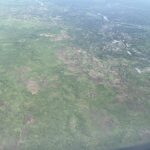 The Gambela region’s history is defined by dynamic patterns of migration, interethnic conflict, and shifting political landscapes. Among these forces, none has been more transformative than the long and often turbulent relationship between the Indigenous Anywaa (Anuak) people and the Nuer, whose movements from the 18th century onward reshaped the demographic, political, and territorial reality
 - Colonial Encounters and Political Changes
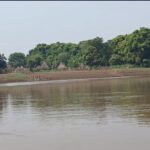 The colonial period marked one of the most transformative eras in the history of the Gambela region and its Indigenous peoples, particularly the Anywaa. For centuries, the Anywaa maintained a decentralized political system rooted in village autonomy, lineage-based leadership, and localized authority. However, the arrival of European explorers, the expanding influence of the Anglo-Egyptian Sudan,
 - The Openo River and Its Historical Importance
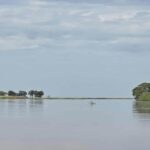 The Openo—known today as the Baro River—is the central lifeline of the Gambela region and one of the most historically significant waterways in the western Ethiopian lowlands and adjacent Nilotic borderlands. For centuries, it has served as the geographic heart of Anywaa (Anuak) civilization, a corridor for migration and trade, a boundary of political influence,
 - Early History of the Anywaa People
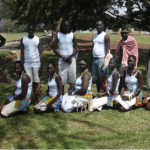 The Anywaa (also spelled Anuak) are among the oldest Indigenous Nilotic peoples of the Western Ethiopian lowlands and the eastern frontier of South Sudan. Their deep historical presence is woven into the landscapes shaped by the Baro, Gilo, Akobo, Alwro, and Sobat Rivers—waterways that influenced their settlement patterns, political organization, and interethnic relations. Unlike later
 - Clarification on False Claims About Oballa Nyigwo and Choul Jock
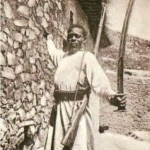 In recent times, a claim has circulated that Oballa Nyigwo and Choul Jock were in fact the same person. Such a contention is historically inaccurate and merits correction to honor the integrity of our collective heritage. The preservation of accurate history is vital, not only to respect the sacrifices of our ancestors, but also to